Understanding the Basics of Traditional Kimchi
Historical Significance of Kimchi
Kimchi, a staple of Korean cuisine, is not just a dish but a cultural symbol steeped in history. Its origins can be traced back over 2,000 years, evolving from simple salted vegetables to the complex, spicy dishes we know today. Traditionally, kimchi was created as a means of preserving vegetables during the harsh Korean winters when fresh produce was scarce. It was developed as a way to enhance nutrition and add flavor to meals, utilizing fermentation as a method of preservation and flavor enhancement. The act of making kimchi is often communal, involving family gatherings and rituals that reinforce social bonds and cultural identity.
Key Ingredients in Traditional Recipes
While there are numerous variations of kimchi, traditional recipes typically include a few key ingredients that form the foundation of its flavor and texture:
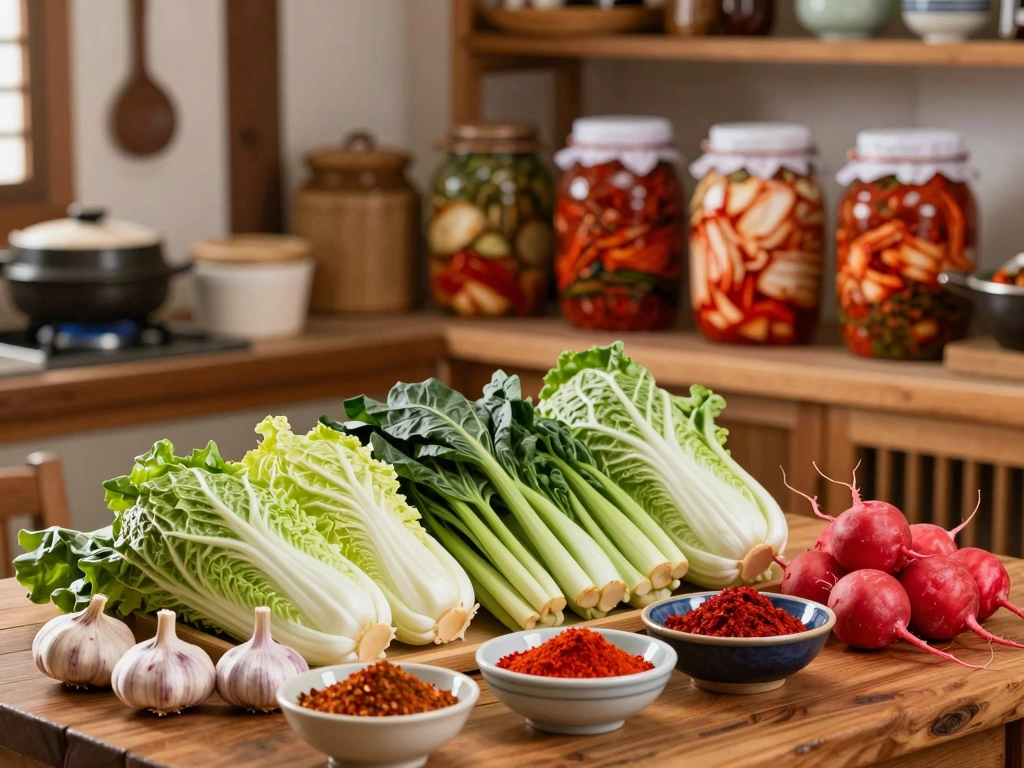
- Napa Cabbage: The most common base for kimchi, providing a crunchy texture and absorbing the flavors of the spice mixture.
- Korean Radish (Mu): Adds crunch and a slightly sweet flavor, enhancing the overall taste profile.
- Garlic: Essential for its pungent aroma and health benefits.
- Ginger: Offers a spicy undertone that complements the garlic.
- Korean Red Pepper Flakes (Gochugaru): The signature ingredient that gives kimchi its distinctive heat and vibrant color.
- Fish Sauce: Provides umami and depth, although vegetarian alternatives like soy sauce can be used.
- Salt: Crucial for both the fermentation process and flavor enhancement.
The Role of Fermentation in Flavor Development
Fermentation is the heart of kimchi-making, transforming raw ingredients into a complex blend of flavors through the action of beneficial bacteria. During fermentation, lactic acid bacteria (LAB) convert sugars in the vegetables into lactic acid, which acts as a preservative and contributes to the tangy taste. This process also enhances the nutritional profile, increasing the bioavailability of vitamins and minerals. The duration and conditions of fermentation can significantly influence the flavor, texture, and probiotic content, making it a critical aspect of traditional kimchi preparation.
Essential Equipment for Home Fermentation
Choosing the Right Fermentation Vessel
When it comes to fermenting kimchi at home, selecting the appropriate vessel is crucial. Traditional methods often utilize:
- Clay Jars (Onggi): These porous jars allow gases to escape while preventing the entry of unwanted bacteria, making them ideal for fermenting kimchi.
- Glass Jars: Widely available and easy to clean, glass jars can be an excellent choice for beginners. Mason jars with airtight lids work well for small batches.
- Food-Grade Plastic Containers: These are lightweight and convenient, but ensure they are free from harmful chemicals.
Tools for Preparation and Storage
In addition to the fermentation vessel, several tools will facilitate the preparation and storage of your kimchi:
- Sharp Knife: A good-quality knife is essential for chopping vegetables accurately.
- Cutting Board: A stable surface for preparing ingredients.
- Mixing Bowl: A large bowl is needed for combining vegetables and seasoning.
- Gloves: To protect your hands from the heat of the pepper flakes and to maintain hygiene during preparation.
Temperature Control and its Importance
The fermentation temperature plays a vital role in the process of making kimchi. Ideally, kimchi should ferment at a cool room temperature (around 60°F to 70°F or 15°C to 21°C) for the first few days. This allows for the development of the right balance of flavors and lactic acid. Once the initial fermentation is complete, the kimchi can be moved to the refrigerator to slow down the fermentation process, enabling it to be stored for longer periods without losing quality. Monitoring the temperature is key, as too high a temperature can lead to over-fermentation and spoilage.
Step-by-Step Guide to Making Kimchi
Preparing Vegetables and Seasoning Mixtures
To start your kimchi-making journey, follow these steps:
- Choose your vegetables: Begin with 1 medium Napa cabbage (about 2-3 pounds). Cut it in half lengthwise and then into quarters, removing the core.
- Salt the cabbage: Dissolve 1 cup of coarse sea salt in 4 cups of water to create a brine. Submerge the cabbage pieces in this solution, weighing them down if necessary, and let them soak for 2 hours. Turn the cabbage occasionally to ensure even salting.
- Prepare the seasoning mixture: In a separate bowl, combine 1 cup of Korean red pepper flakes (adjust based on desired heat level), 8 cloves of minced garlic, 1 tablespoon of grated ginger, 2 tablespoons of fish sauce, and a teaspoon of sugar. Mix well to form a paste.
Proper Packing Techniques for Fermentation
Once your vegetables are ready and seasoned, it's time to pack them for fermentation:
- Rinse the cabbage: After the salting period, rinse the cabbage thoroughly under cold water to remove excess salt, then drain well.
- Combine with other vegetables: If desired, add julienned Korean radishes and green onions to the cabbage for added flavor and texture.
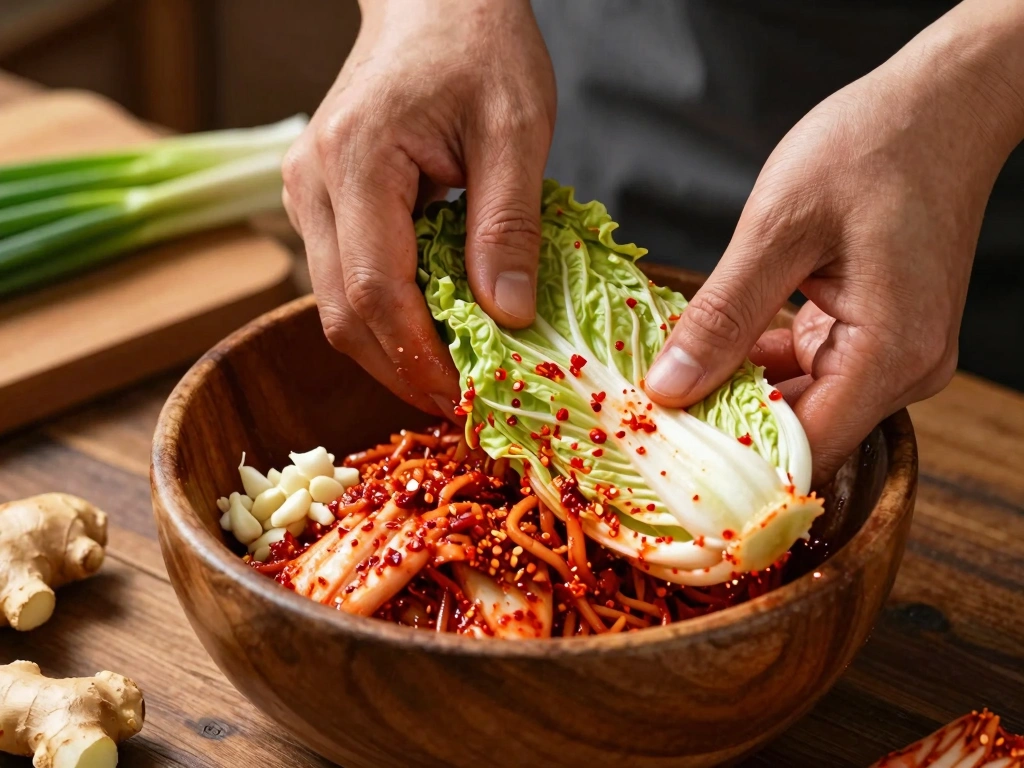
- Mix with the seasoning paste: In a large bowl, combine the drained cabbage and other vegetables with the seasoning mixture. Use your hands (wearing gloves) to thoroughly coat the vegetables with the paste.
- Pack into the fermentation vessel: Start packing the coated vegetables tightly into your chosen fermentation jar, pressing down to eliminate air pockets. Leave some headspace at the top to allow for expansion during fermentation.
Timing: How Long to Ferment for Best Results
The fermentation time for kimchi can vary based on personal preference and environmental conditions. Generally, you can expect the following:
- Room Temperature Fermentation: Let the packed kimchi sit at room temperature for 2 to 5 days, checking daily for flavor development. The longer it sits, the stronger the flavor becomes.
- Refrigeration: Once it reaches your desired taste, transfer the kimchi to the refrigerator. It will continue to ferment slowly, allowing the flavors to mature further. Kimchi can be stored in the fridge for several weeks to months.
Common Variations of Traditional Kimchi
Regional Differences in Ingredients and Techniques
Kimchi is not a one-size-fits-all dish; it varies significantly across different regions of Korea:
- Baechu Kimchi: The most common type, made with Napa cabbage and a blend of spices, is predominant in Seoul.
- Chonggak Kimchi: A specialty from the countryside, made with young radishes.
- Oisobagi: A cucumber kimchi, popular in the summer months, is light and refreshing.
Seasonal Adaptations: What to Use When
Traditional kimchi also reflects the seasons, utilizing vegetables that are fresh and abundant:
- Spring: Use fresh greens, such as young radish leaves.
- Summer: Cucumbers and green tomatoes make for refreshing variations.
- Winter: Root vegetables are often used, as they store well and are available during colder months.
Exploring Unique Flavor Profiles: Spicy vs. Mild
While traditional kimchi is known for its spice, you can also adjust the heat level:
- Spicy Kimchi: Use more gochugaru or add fresh chili peppers for a kick.
- Mild Kimchi: Reduce the amount of gochugaru and incorporate sweet ingredients like apples or pears to balance the heat.
Storing and Enjoying Your Homemade Kimchi
Best Practices for Storing Fermented Kimchi
To ensure your kimchi stays fresh and delicious, follow these storage tips:
- Keep it airtight: Store kimchi in a tightly sealed container to prevent exposure to air, which can hasten spoilage.
- Submerge in brine: Make sure the kimchi is submerged in its brine to maintain moisture and flavor.
- Monitor for spoilage: Check the kimchi regularly for off smells or unusual textures, discarding if any signs of spoilage are present.
Pairing Kimchi with Traditional Dishes
Kimchi is versatile and can be enjoyed in various ways:
- As a Side Dish: Serve it alongside rice and grilled meats for a classic Korean meal.
- In Stews: Add kimchi to kimchi jjigae (kimchi stew) for a comforting dish.
- In Pancakes: Incorporate kimchi into savory pancakes for a flavorful snack or appetizer.
Health Benefits of Consuming Kimchi Regularly
Beyond its delicious taste, kimchi offers numerous health benefits:
- Rich in Probiotics: The fermentation process creates beneficial bacteria that promote gut health.
- Low in Calories: Kimchi is a low-calorie food packed with nutrients, making it ideal for weight management.
- High in Vitamins: Kimchi is rich in vitamins A, B, and C, supporting overall health.